Wood Wall Paneling Performance in Different Climate Conditions
Posted on 13 October 2025 by abigailwinters — 4 min
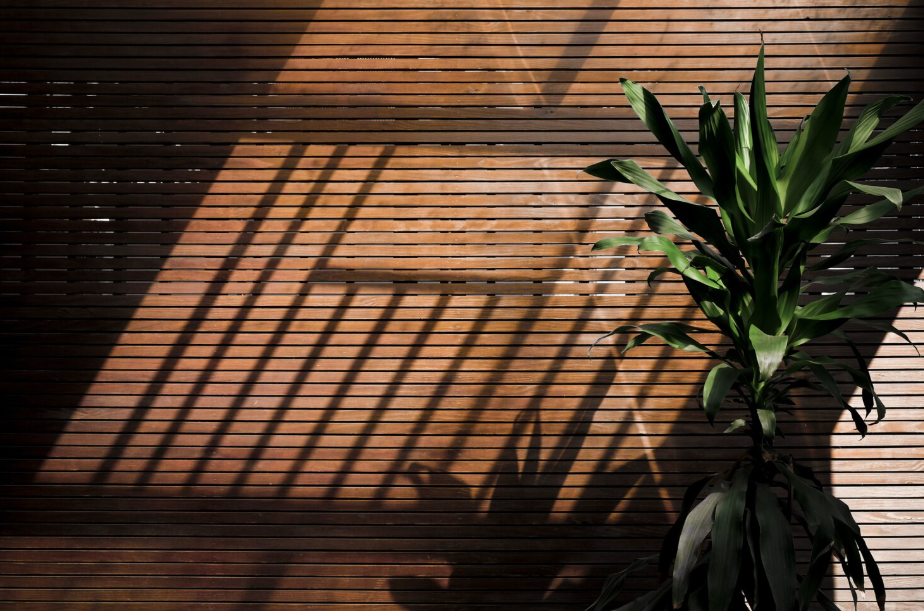
Wood wall paneling is a popular choice for interior spaces due to its natural warmth, texture, and versatility. However, its long-term performance depends heavily on the surrounding climate. Temperature variations, humidity levels, and seasonal changes all affect how wood panels behave. Understanding these factors is essential for ensuring dimensional stability, maintaining finishes, and extending the lifespan of wood paneling in both residential and commercial interiors.
Effects of Humid and Tropical Climates
High humidity and tropical conditions can cause wood to absorb moisture, leading to expansion, warping, or swelling. Without proper precautions, panels may develop gaps, misalignment, or surface distortions. To minimize these effects, wood panels should be manufactured with controlled moisture content and treated with moisture-resistant finishes. Adequate ventilation behind panels is also crucial, as it allows air circulation, reduces trapped moisture, and prevents mold or mildew growth. In these climates, engineered wood or laminated panels often perform better than solid wood due to their dimensional stability.
Behavior in Dry and Arid Environments
Dry climates present the opposite challenge: wood tends to lose moisture and shrink, which can create gaps between panels or minor surface cracks. This can affect the overall alignment and visual appearance of the wall. Using panels that are pre-conditioned to the local humidity before installation helps reduce stress caused by contraction. Additionally, engineered and composite panels are more stable in arid conditions, as their layered construction resists excessive shrinkage. Regular monitoring of indoor humidity levels can also prevent damage over time.
Cold Climate Considerations
In colder climates, seasonal temperature fluctuations can impact wood paneling even in heated interiors. While interior heating protects panels from freezing conditions, sudden changes in temperature or uneven heating may cause minor expansion or contraction. Panels with high-quality finishes and proper installation techniques—such as floating or batten-mounted systems—can adapt to these changes without visible distortion. Cold climates also demand careful attention to insulation behind paneling to prevent condensation and maintain stable wall temperatures.
Role of Material and Thickness
The performance of wood wall paneling in different climates is influenced by both material choice and panel thickness. Thicker panels are more resistant to warping and offer better structural stability, while engineered wood and laminated panels maintain uniformity across temperature and humidity variations. Solid wood, while beautiful, requires careful selection of species and treatment to ensure it performs consistently. Combining material selection with appropriate panel thickness ensures long-term dimensional stability across diverse climates.
Surface Finishes and Climate Adaptation
Surface finishes play a critical role in protecting wood wall paneling. Sealants, lacquers, and oils reduce moisture exchange and shield the wood from environmental stress. In humid conditions, moisture-resistant coatings help prevent swelling, while in dry climates, finishes that allow controlled moisture movement reduce shrinkage and cracking. A well-maintained finish also protects against fading, discoloration, and wear, ensuring the panels remain attractive over time.
Installation Methods for Climate Resilience
Installation techniques further impact how panels respond to climate conditions. Systems that allow slight movement, such as floating panel designs or batten frameworks, accommodate expansion and contraction without compromising alignment. Secure attachment and proper spacing prevent stress accumulation, while ventilation behind panels supports moisture regulation. Choosing installation methods suited to the local climate ensures long-term panel stability and reduces maintenance needs.
Long-Term Performance Across Interiors
When properly selected, treated, and installed, wood wall paneling performs reliably in a wide range of climates. Residential interiors benefit from its aesthetic warmth and natural feel, while commercial and hospitality spaces gain durability, low maintenance, and dimensional stability. Awareness of climate conditions and proactive material and installation strategies allow wood paneling to maintain both its functional and decorative value for decades.
Conclusion
Wood wall paneling is highly adaptable but sensitive to environmental conditions. Humidity, dryness, and temperature fluctuations influence its dimensional stability, surface appearance, and overall longevity. By selecting the right wood type, thickness, surface treatment, and installation method, designers and homeowners can ensure that paneling performs well in any climate. Thoughtful planning and maintenance allow wood wall paneling to provide lasting beauty, comfort, and reliability across residential and commercial interiors.