How Moisture Resistance Varies Across Wall Paneling Materials
Posted on 24 November 2025 by abigailwinters — 4 min
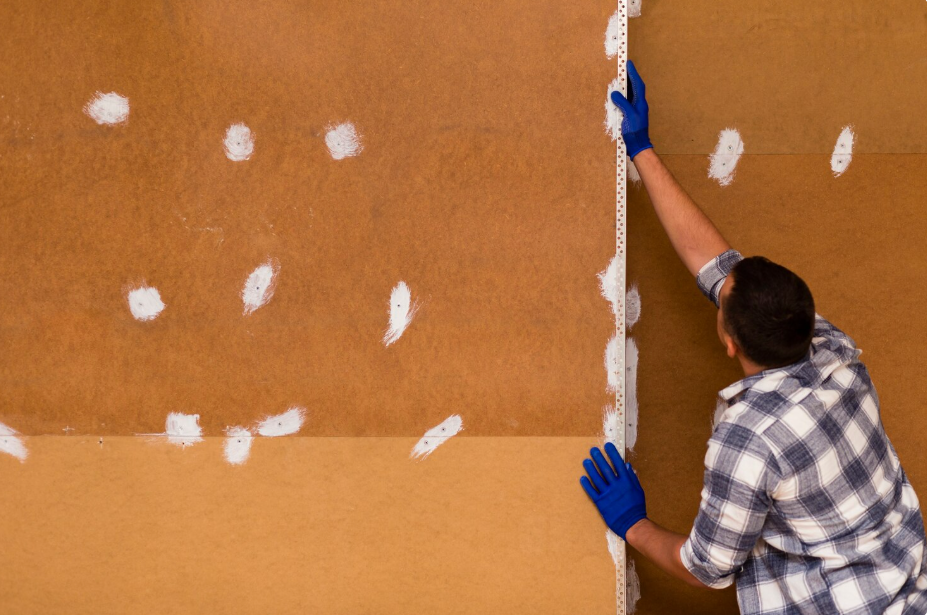
When selecting wall paneling for interior spaces, moisture resistance is a crucial consideration. Higher moisture levels on walls in kitchens, baths, basements, and humid areas can have an impact on paneling materials' lifespan and look. Designers and homeowners may choose solutions that sustain performance, durability, and aesthetic appeal over time by knowing how various materials react to moisture.
In addition to being aesthetically pleasing, wall paneling offers defense against environmental elements like dampness, moisture, and unintentional splashes.
Solid Wood Paneling
Although solid wood panels have a natural warmth and texture, they are moisture-sensitive. Wood may expand, bend, or develop surface fractures when it comes into contact with water or excessive humidity. Solid wood paneling must be properly sealed and finished to prevent moisture-related problems. Long-term stability is ensured by routine maintenance, which includes cleaning and finish touch-ups. Wood has unparalleled natural beauty, but it works best in areas with regulated humidity or on walls that are not exposed to direct wetness.
Engineered Wood and Plywood Panels
When compared to solid wood, engineered wood and plywood panels have better dimensional stability due to their layered composition. Although these panels are more resilient to little variations in moisture, protective coatings are still necessary. High-quality plywood is a preferable choice for kitchens or moderately humid locations since it frequently has laminates and moisture-resistant adhesives that reduce water absorption. Long-term exposure to excessive moisture might, however, eventually jeopardize structural integrity.
MDF and Composite Panels
Composite panels and MDF (Medium-Density Fiberboard) are frequently utilized for ornamental interior applications. Standard MDF is quite prone to moisture, which can lead to edge damage, swelling, or softening. Because they are modified to tolerate greater humidity levels, moisture-resistant MDF (MR-MDF) variations are appropriate for commercial interiors with mild moisture exposure, restrooms, and laundry rooms. For panels to remain durable in these conditions, surface treatments like laminates or water-resistant coatings are crucial.
Laminates and PVC Panels
Excellent moisture resistance is offered by PVC-based wall coverings and laminated panels. Laminates include protective coatings that decrease swelling, stop stains, and repel water. PVC panels are perfect for high-moisture spaces like kitchens and bathrooms since they are totally waterproof. These materials are a viable alternative in situations where moisture exposure is frequent or inevitable because they require little upkeep and offer long-term performance without warping.
Key Factors Affecting Moisture Resistance
The composition of the material, surface treatment, and installation method all affect moisture resistance. Water infiltration is prevented by panels with tight seams, appropriate backing, and sealed edges. The risk of retained moisture and condensation is further decreased by ventilated installations or air gaps behind panels. Consistent performance under various interior circumstances is ensured by choosing the appropriate material and finishing technique.
Useful Maintenance Advice
Regularly check panels for indications of edge damage, swelling, or discoloration.
- Don't use too much water when cleaning.
- Keep indoor humidity levels under control.
- Use touch-up treatments to shield surfaces and edges.
Regardless of the type of material, wall paneling can last longer if following procedures are followed.
Choosing the Right Paneling for Your Space
It is crucial to match the material attributes with the target environment when choosing wall paneling for regions that are prone to moisture. Laminates or PVC are best for damp conditions, engineered wood is best for mild moisture, and solid wood is best for controlled spaces. Careful selection guarantees longevity, lowers upkeep requirements, and maintains visual attractiveness.
Conclusion
The materials used for wall paneling differ greatly in their ability to withstand moisture. While engineered wood and treated MDF offer moderate moisture resilience, solid wood offers natural beauty but needs to be carefully protected. PVC and laminated panels provide excellent water resistance and require little upkeep. By being aware of these variations, homeowners and designers can make well-informed decisions that strike a balance between practicality, longevity, and aesthetic appeal, guaranteeing long-lasting, moisture-resistant interior wall solutions.